

Undergoing surgery is a significant event for the body, whether it is a planned cosmetic procedure like liposuction or a necessary medical operation. While the surgeon’s skill is paramount, what happens in the weeks following the procedure often dictates the final aesthetic result and the comfort of the patient. Many people find themselves surprised by the level of swelling, bruising, and general stiffness that follows. This is where the role of specialised aftercare becomes essential. In recent years, more patients have realised that their recovery journey is not just about rest, but about active management of the body’s healing processes.
One of the most effective ways to manage this phase is through a specialised technique known as Manual Lymphatic Drainage (MLD). If you are looking for ways to speed up your healing and ensure the best possible outcome, seeking out Post Surgery Lymphatic Drainage Glasgow can make a world of difference. It is a gentle, non-invasive approach that works in harmony with your body’s natural systems to clear toxins and reduce the fluid build-up that inevitably follows surgical trauma.
To understand why this treatment is so effective, it helps to know a little bit about how your body works. The lymphatic system is a vital part of the immune system. It consists of a network of vessels and nodes that transport lymph—a fluid containing white blood cells—throughout the body. Unlike the circulatory system, which has the heart to pump blood, the lymphatic system relies on muscle movement and breathing to keep fluid moving.
When you have surgery, this system is temporarily compromised. Incisions, the movement of tissue, and the body’s inflammatory response all lead to an accumulation of fluid in the interstitial spaces between cells. This is what we recognise as swelling or oedema. Without assistance, this fluid can stagnate, leading to discomfort, increased pressure on nerves, and even the formation of hard lumps known as fibrosis. By opting for a professional service in Glasgow, you are essentially giving your lymphatic system a helping hand to move that fluid along and process it through the lymph nodes.
The benefits of MLD go far beyond just feeling a bit more comfortable. It is a targeted therapy that addresses several common post-surgical issues simultaneously. Here are some of the primary reasons why patients choose this treatment:
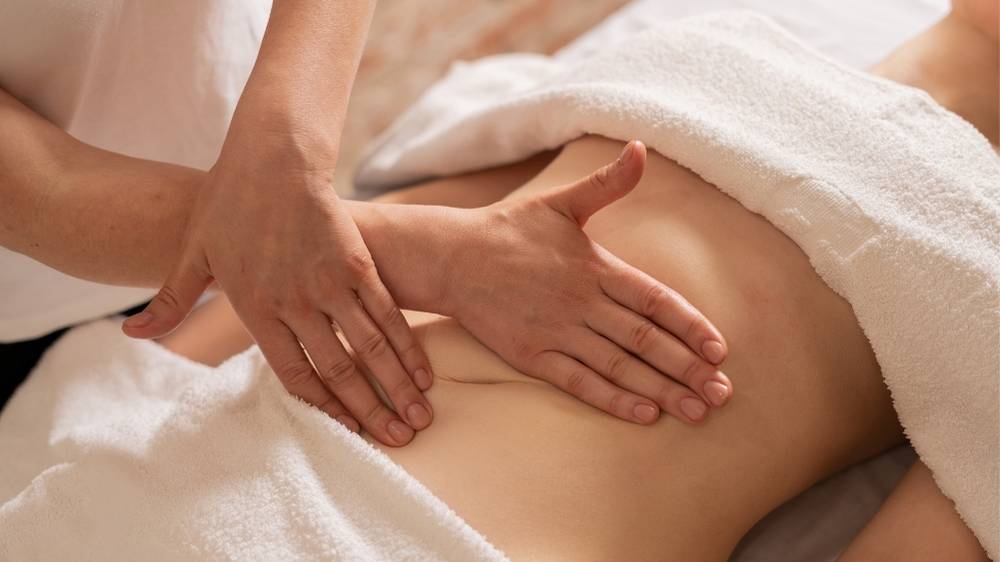
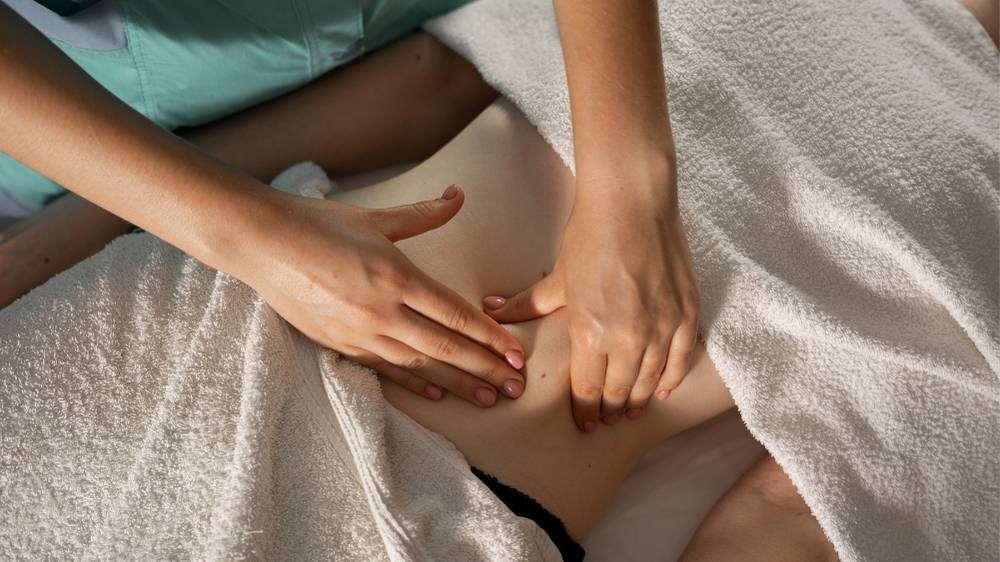
If you have never had lymphatic drainage before, you might be expecting something similar to a traditional sports or Swedish massage. However, the technique is very different. Post-surgical MLD is incredibly gentle. It involves very light, rhythmic movements and skin stretching techniques. The goal is not to manipulate the muscles, but to stimulate the tiny lymph collectors located just beneath the surface of the skin.
In a typical session for Post Surgery Lymphatic Drainage Glasgow, your therapist will first assess your incisions and the areas of greatest swelling. They will then use specific hand sequences to open up the lymph nodes in unaffected areas before moving towards the surgical site. This creates a ‘vacuum’ effect, drawing the fluid from the swollen areas toward the functioning nodes where it can be processed and eliminated from the body. Most patients find the experience deeply relaxing, and it is common to feel a sense of lightness and reduced tension immediately after the session.
Timing is everything when it comes to post-operative care. While every patient is different, most specialists recommend starting lymphatic drainage within the first week after surgery, provided there are no complications and your surgeon has given the green light. The early stages of recovery are when the inflammatory response is at its peak, so intervening early can prevent the fluid from becoming stagnant and hardening.
A typical recovery plan might involve several sessions over the first two to three weeks. As the initial swelling subsides, the frequency of treatments can be reduced. It is important to work with a practitioner who can tailor the programme to your specific surgery and your body’s unique response to it. For example, a facelift recovery will require a different approach and frequency compared to a full-body liposuction or a Brazilian Butt Lift (BBL).
It can be tempting to try and perform ‘self-massage’ at home based on videos found online, but this is often counterproductive and can even be harmful. The lymphatic system is delicate, and the direction of flow is specific. Massaging in the wrong direction or applying too much pressure can actually increase inflammation or cause damage to healing tissues. Furthermore, after surgery, there is always a risk of seromas (pockets of fluid) or infections that a trained professional will be able to identify and advise upon.
Choosing a specialised clinic in Glasgow ensures that you are being treated by someone who understands the anatomy of the lymphatic system and the specific requirements of post-surgical recovery. They will use sterile techniques where necessary and ensure that your comfort is prioritised throughout the process. They can also provide valuable advice on compression garment wear, hydration, and gentle movement, all of which complement the drainage sessions.
While the sessions themselves are powerful, their effects can be enhanced by how you look after yourself between appointments. Recovery is a holistic process, and the following habits can help you get the most out of your lymphatic drainage:
For those living in or travelling to the West of Scotland, accessing high-quality care is straightforward. By prioritising your aftercare and booking Post Surgery Lymphatic Drainage Glasgow, you are investing in the longevity of your surgical results. It is often the difference between a recovery that feels long and arduous and one that is smooth, manageable, and ultimately successful. Taking that extra step to care for your body’s internal systems ensures that the external changes you have invested in can truly shine.

Ethan is a technology journalist and software engineer passionate about automation, AI development, and new programming paradigms. He writes in-depth analyses on language evolution and software engineering strategies.